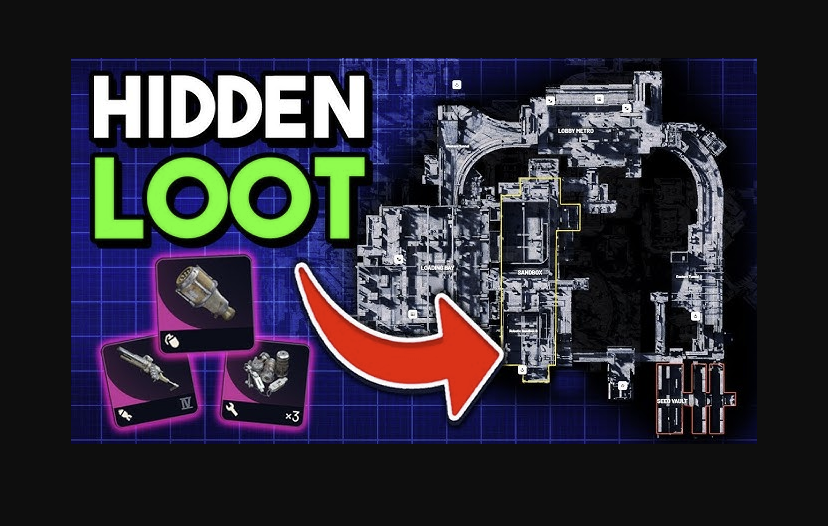
Exploring the surface in ARC Raiders is just the beginning. The real secrets lie beneath your feet. Underground areas and hidden paths offer incredible rewards, strategic advantages, and escape routes. This complete guide reveals everything about ARC Raiders’ underground world.
What Are Underground Areas in ARC Raiders?
Underground areas are secret locations beneath the main map. These hidden zones include tunnels, sewers, bunkers, and caves. Smart players use these paths to avoid danger, find rare loot, and surprise enemies.
Why Underground Areas Matter:
- Safe travel between dangerous zones
- Rare loot and resources
- Escape routes from combat
- Surprise attack opportunities
- Protection from ARC patrols
Types of Underground Locations
1. Sewer Systems
Old city sewers run beneath urban zones. These dark tunnels connect different parts of the map.
What You’ll Find:
- Multiple entrance points across cities
- Long connecting tunnels
- Hidden loot rooms
- Water-filled passages
- Emergency exits
Benefits:
- Fast travel under cities
- Avoid street-level combat
- Connect to important buildings
- Fewer ARC enemies
Dangers:
- Limited visibility in darkness
- Easy ambush spots
- Flooding in some areas
- Confusing maze-like layout
Pro Tip: Bring flashlights or night vision. The sewers are very dark.
2. Metro Tunnels
Abandoned subway systems offer major underground highways.
Key Features:
- Wide tunnels for easy movement
- Old train platforms
- Maintenance rooms
- Power stations
- Station hubs connecting multiple lines
Advantages:
- Quick cross-map travel
- Good cover from train cars
- Multiple branching paths
- Useful supply rooms
Watch Out For:
- Other players using same routes
- ARC patrols in stations
- Collapsed sections blocking paths
- Dark areas needing light
Strategy: Metro tunnels are perfect for fast repositioning during raids.
3. Military Bunkers
Secret military bunkers contain the best underground loot.
What’s Inside:
- Advanced weapons and equipment
- Ammunition stockpiles
- Medical supplies
- Communications rooms
- Command centers
Location Clues:
- Hidden entrances in forests
- Disguised doors in buildings
- Locked hatches requiring keys
- Camouflaged entry points
Challenges:
- Finding entrance locations
- Locked doors needing keycards
- Heavy ARC security
- Complex interior layouts
Reward Level: Very high. Bunkers have the best underground loot.
4. Natural Caves
Natural cave systems provide safe hiding spots and secret passages.
Cave Characteristics:
- Formed by natural rock
- Winding passages
- Underground water sources
- Hidden chambers
- Secret exits to surface
Uses:
- Emergency hiding places
- Alternative travel routes
- Safe rest areas
- Resource gathering spots
Important Notes:
- Easy to get lost without maps
- Some caves connect to other underground areas
- Wildlife or ARC machines may hide inside
5. Industrial Underground Facilities
Factories and plants have extensive underground levels.
Facility Types:
- Storage basements
- Maintenance tunnels
- Power generation rooms
- Cooling systems
- Transport corridors
What Makes Them Special:
- Direct access to industrial zones above
- Valuable industrial components
- Machinery for cover
- Multiple floor connections
Tactical Value: Control underground facilities to dominate industrial areas above.
6. Parking Garages
Underground parking offers unique combat environments.
Features:
- Multiple vehicle-sized levels
- Ramps between floors
- Concrete pillars for cover
- Dark corners
- Vehicle wrecks for hiding
Combat Advantages:
- Close-quarters fighting areas
- Vertical gameplay between levels
- Good defensive positions
- Quick escape via ramps
7. Utility Tunnels
Service tunnels connect major buildings and zones.
Tunnel Systems:
- Power cable routes
- Water pipe passages
- Maintenance access ways
- Communication line tunnels
Why Use Them:
- Sneak into secure buildings
- Bypass locked doors
- Avoid main entrances
- Access restricted areas
Finding Them: Look for utility access doors, maintenance hatches, and service entrances.
Hidden Path Types
Secret Doors and Entrances
Many underground areas have disguised entrances.
Common Hidden Entrance Types:
Bookshelf Doors:
- Pull specific books to open
- Usually in libraries or offices
- Lead to safe rooms or tunnels
Floor Hatches:
- Hidden under rugs or furniture
- Metal grates in floors
- Wooden trapdoors
Wall Panels:
- Fake wall sections
- Sliding panel doors
- Breakable weak walls
Finding Tips:
- Look for visual clues
- Listen for hollow sounds
- Check for interaction prompts
- Watch for slight texture differences
Ventilation Shafts
Air vents provide small hidden paths.
Vent Characteristics:
- Narrow crawl spaces
- Connect multiple rooms
- Bypass locked areas
- Silent movement options
Best Uses:
- Stealth infiltration
- Escaping pursuers
- Accessing locked rooms
- Surprise attacks from above
Limitations:
- Slow movement speed
- Can’t use while carrying heavy items
- Noise alerts nearby enemies
- Limited directions
Drain Pipes
Large drainage systems create hidden routes.
Pipe Features:
- Connect to sewers and rivers
- Lead under walls and barriers
- Sometimes flooded with water
- Various sizes (crawl to walk)
Strategic Value:
- Bypass security checkpoints
- Enter restricted zones
- Escape when trapped
- Unexpected entry points
Collapsed Buildings
Rubble from destroyed buildings creates underground passages.
Access Points:
- Basement entrances in ruins
- Gaps in collapsed floors
- Tunnels formed by debris
- Underground sections of fallen structures
Opportunities:
- Hidden loot in basements
- Shortcuts through destroyed areas
- Secret connections to nearby buildings
Mining Tunnels
Old mining operations left extensive tunnel networks.
Tunnel Features:
- Wooden support beams
- Mining cart tracks
- Ore deposits for resources
- Deep underground chambers
What You Get:
- Valuable mineral resources
- Unique crafting materials
- Long-distance travel routes
- Safe zones deep underground
Dangers:
- Unstable tunnels may collapse
- Dead ends and confusing layouts
- Limited light sources
- Dangerous gas in some areas
How to Find Underground Areas
Visual Clues
Surface Indicators:
- Manhole covers on streets
- Bunker doors in forests
- Grates and vents on buildings
- Stairways leading down
- Tunnel entrances in cliffs
Environmental Signs:
- Maps on walls showing layouts
- Signage pointing to underground facilities
- Arrows and directional markers
- Warning signs near entrances
Audio Hints
Listen For:
- Echoing sounds indicating spaces below
- Running water from underground streams
- Machinery noise from facilities
- Ventilation system hums
Interactive Elements
Look For:
- Locked doors needing keys
- Keypads requiring codes
- Levers and switches
- Breakable barriers
- Moveable objects hiding entrances
Map Markers
In-Game Indicators:
- Underground symbols on maps
- Question marks for unexplored areas
- Player-placed waypoints
- Discovered location markers
Underground Navigation Tips
Never Get Lost
Essential Navigation Rules:
Mark Your Entry Point:
- Remember where you entered
- Place waypoints at entrances
- Note distinctive features
- Track your path
Follow Logical Paths:
- Main tunnels usually lead somewhere important
- Follow power cables and pipes
- Larger passages typically connect major areas
Use Landmarks:
- Unique rooms or features
- Colored pipes or markings
- Numbered sections
- Distinctive graffiti or signs
Breadcrumb Trail:
- Drop items to mark your path
- Note turn directions (left, right)
- Count intersections
- Remember branching points
Lighting Solutions
Darkness is the biggest underground challenge.
Light Sources:
- Flashlights (best option)
- Glowsticks for marking paths
- Night vision equipment
- Muzzle flash (risky but works)
Light Management:
- Conserve battery life
- Turn off lights when hiding
- Use minimal light to avoid detection
- Carry backup light sources
Sound Discipline
Underground areas amplify sound.
Quiet Movement Tips:
- Walk instead of run
- Avoid shooting unless necessary
- Close doors quietly
- Watch for loose debris that makes noise
Using Sound to Your Advantage:
- Listen for enemy footsteps
- Sounds echo from different directions
- Water drips indicate proximity to sewers
- Machinery noise shows active areas
Underground Loot Locations
High-Value Underground Spots
Bunker Armories:
- Military-grade weapons
- Advanced equipment
- Rare modifications
- Heavy ammunition
Command Centers:
- Electronic equipment
- Valuable intel items
- Communication devices
- Security keycards
Storage Rooms:
- Resource caches
- Medical supplies
- Food and water
- Crafting materials
Maintenance Areas:
- Tools and equipment
- Repair components
- Industrial materials
- Vehicle parts
Hidden Stash Locations
Where to Search:
- Behind loose wall panels
- Inside ventilation shafts
- Under floor grates
- In abandoned lockers
- Behind moveable shelves
What You’ll Find:
- Personal valuables
- Hidden weapons
- Emergency supplies
- Rare collectibles
Underground Combat Strategies
Close-Quarters Fighting
Underground combat is intense and close-range.
Weapon Choices:
- Shotguns for narrow tunnels
- SMGs for fast firing
- Pistols for confined spaces
- Melee weapons as backup
Fighting Tactics:
- Use corners for cover
- Pre-aim around bends
- Listen for approaching enemies
- Control choke points
Defensive Positions
Best Defensive Spots:
- Doorways (limited approach angles)
- T-junctions (multiple escape routes)
- Rooms with one entrance
- Elevated platforms
Setting Up Defense:
- Face the main threat direction
- Keep escape route open
- Use deployable cover
- Set traps at entrances
Ambush Opportunities
Underground areas are perfect for ambushes.
Ambush Locations:
- Blind corners
- Dark alcoves
- Above doorways
- Behind obstacles
Ambush Success Tips:
- Stay completely silent
- Turn off all lights
- Wait for perfect timing
- Have escape planned
Fighting ARC Underground
ARC machines operate differently underground.
Underground ARC Behavior:
- Some models don’t fit in tunnels
- Detection is harder in darkness
- Sound draws them to you
- Heavier units guard key areas
Countering ARC Underground:
- Use tight spaces to your advantage
- Funnel them into kill zones
- Explosive traps work well
- Stealth is often better than fighting
Underground Escape Routes
Emergency Exits
Always know your emergency exits.
Exit Types:
- Ladder shafts to surface
- Emergency stairways
- Maintenance access hatches
- Sewer grates
Exit Planning:
- Identify exits when entering
- Keep exits clear
- Know multiple options
- Test exits before needing them
Quick Escape Paths
Fast Underground Escapes:
- Slide down drainage pipes
- Use rappel points
- Jump between levels
- Crawl through vents
When to Escape:
- Outnumbered by enemies
- Low on health or ammo
- ARC reinforcements arriving
- Better loot secured elsewhere
Underground Hazards and Dangers
Environmental Threats
Flooded Areas:
- Limited breathing time
- Slowed movement
- Damaged equipment
- Drowning risk
Toxic Gas:
- Health drain over time
- Requires gas masks
- Usually in old facilities
- Warning signs present
Unstable Structures:
- Collapsing ceilings
- Crumbling walls
- Weak floors
- Falling debris
Radiation Zones:
- Health damage
- Requires protective gear
- Usually near old power facilities
- Limited safe time inside
Getting Trapped
Common Traps:
- Dead-end tunnels
- Locked doors from behind
- Collapsed passages
- Flooded sections cutting off escape
Avoiding Traps:
- Always scout ahead
- Never assume paths are clear
- Carry lockpicks or keys
- Work with teammates
Oxygen and Air Quality
Some deep underground areas have limited air.
Warning Signs:
- Difficulty breathing messages
- Health slowly decreasing
- Visual effects (blurred vision)
- Candles going out
Solutions:
- Move to ventilated areas
- Use oxygen equipment
- Find air vents
- Exit to surface quickly
Team Coordination Underground
Communication is Critical
Underground teamwork requires clear communication.
What to Communicate:
- Your current location
- Enemies spotted
- Loot discoveries
- Path directions
- Danger warnings
Communication Methods:
- Voice chat (best)
- Ping systems
- Map markers
- Text messages
Team Movement
Formation Strategies:
Single File:
- Best for narrow tunnels
- Front person scouts
- Rear person watches behind
- Middle carries supplies
Leapfrog:
- One moves while others cover
- Safer but slower
- Good for dangerous areas
- Maintains security
Split Exploration:
- Cover more ground faster
- Higher risk
- Requires good communication
- Meet at designated points
Role Assignment
Underground Team Roles:
Scout:
- Moves ahead first
- Checks for danger
- Finds paths
- Reports back
Heavy:
- Main combat power
- Protects team
- Carries heavy weapons
- Handles tough enemies
Support:
- Manages supplies
- Provides healing
- Carries extra ammo
- Assists everyone
Navigator:
- Reads maps
- Tracks location
- Plans routes
- Prevents getting lost
Secret Underground Connections
Cross-Map Underground Routes
Some underground paths span huge distances.
Major Underground Highways:
- Metro lines across cities
- Sewer systems under urban areas
- Military tunnel networks
- Natural cave systems
Strategic Value:
- Fast cross-map travel
- Avoid surface dangers
- Surprise positioning
- Emergency evacuation
Building Basement Connections
Many buildings connect underground.
Connected Structures:
- Office buildings to parking garages
- Apartments to subway stations
- Factories to utility tunnels
- Military bases to bunkers
Using Connections:
- Enter one building, exit another
- Confuse pursuing enemies
- Access locked buildings
- Create unpredictable movements
Zone Bypass Routes
Underground paths can skip dangerous surface zones.
Common Bypasses:
- Tunnels under ARC strongholds
- Sewers around combat zones
- Caves through mountains
- Bunker passages under barriers
When to Use:
- Avoiding heavy combat
- Time-sensitive objectives
- Limited equipment
- Solo play
Advanced Underground Secrets
Easter Eggs and Hidden Content
Secret Underground Locations:
- Developer rooms with messages
- Hidden collectibles
- Rare weapon spawns
- Story clues and lore
Finding Secrets:
- Explore thoroughly
- Check unusual spots
- Follow strange markings
- Try unexpected interactions
Time-Limited Underground Events
Special Underground Events:
- Flooded areas that drain periodically
- Power systems that activate/deactivate
- ARC patrol schedules
- Dynamic loot spawns
Timing Advantages:
- Access areas during specific windows
- Grab loot when systems are down
- Avoid enemies during patrol gaps
Underground Achievement Locations
Special Achievements:
- Discover all underground areas
- Complete underground challenges
- Find secret rooms
- Survive specific underground scenarios
Beginner’s Underground Checklist
Starting Underground Exploration
Essential Gear:
- Flashlight or night vision
- Extra ammunition
- Medical supplies
- Map or navigation tools
- Communication device
First Underground Steps:
- Start with sewers – Easiest to navigate
- Explore during quiet times – Fewer players
- Bring a teammate – Safety in numbers
- Mark your path – Don’t get lost
- Keep exits in mind – Always have escape plan
Common Beginner Mistakes
Avoid These Errors:
- Going underground without light
- Exploring alone first time
- Not marking entrance locations
- Carrying too much weight
- Ignoring sound cues
- Fighting every enemy
Underground Loot Farming Routes
Efficient Underground Farming
Best Farming Routes:
Route 1: Sewer Circuit
- Enter downtown sewers
- Check side rooms
- Follow main tunnels
- Exit near extraction point
- Time: 10-15 minutes
Route 2: Metro Loop
- Start at main station
- Visit each platform
- Check maintenance rooms
- Loop back to start
- Time: 15-20 minutes
Route 3: Bunker Run
- Find bunker entrance
- Clear systematically
- Loot armory and storage
- Exit via emergency tunnel
- Time: 20-25 minutes
Maximizing Underground Profits
Efficiency Tips:
- Learn spawn locations
- Skip low-value areas
- Manage inventory space
- Time your runs
- Know extraction points
Underground Survival Guide
Staying Alive Below Ground
Survival Priorities:
- Know Your Location – Never get lost
- Maintain Supplies – Ammo, health, light
- Stay Alert – Listen and watch constantly
- Plan Escape – Always have exit strategy
- Avoid Unnecessary Fights – Preserve resources
Emergency Underground Situations
When Things Go Wrong:
Lost in Tunnels:
- Stop and think
- Backtrack carefully
- Look for main passages
- Head toward sounds of surface
Ambushed:
- Use immediate cover
- Throw smoke or flashbang
- Run to different area
- Use escape routes
Low on Supplies:
- Avoid combat
- Search nearby rooms quickly
- Head toward exit
- Call for teammate help
Trapped:
- Look for alternate routes
- Check for breakable walls
- Use explosives carefully
- Wait for opportunity
Underground Map Knowledge
Memorizing Underground Layouts
Study Tips:
- Draw simple maps
- Note key landmarks
- Remember important rooms
- Connect areas mentally
- Practice runs
Underground Map Patterns
Common Design Patterns:
- Main tunnels with side branches
- Grid layouts in facilities
- Circular routes back to start
- Multiple levels connected by stairs
- Central hub with radiating passages
Seasonal Underground Changes
Dynamic Underground Updates
Possible Changes:
- New areas opening
- Flooded sections changing
- Locked doors becoming accessible
- New loot spawns
- Event-specific content
Staying Updated:
- Check patch notes
- Explore regularly
- Join community discussions
- Watch for visual changes
Conclusion
ARC Raiders underground areas offer incredible opportunities for smart players. From sewers and metro tunnels to military bunkers and secret caves, the underground world is vast and rewarding.
Key Takeaways:
- Underground areas provide safe travel and rare loot
- Many hidden paths connect important locations
- Proper lighting and navigation are essential
- Close-quarters combat requires different tactics
- Team coordination is crucial underground
- Always plan your escape routes
Start with simple sewer exploration. Build your skills and knowledge. Gradually tackle more complex underground systems. Master the underground world, and you’ll have huge advantages over other players.
The surface is just the beginning. The real treasures of ARC Raiders lie beneath. Good luck exploring, and may your flashlight never fail!